

recent post in a Singapore-based Facebook group sparked heated discussion about employers delegating nearly all domestic work and child-rearing to their domestic helpers.
The helper’s frustration highlighted a common issue: employers who disengage from parenting, lounging on the sofa with their phones while helpers manage chaotic children. 😓
This raises critical questions about whether domestic work includes raising children on behalf of parents and whether such a setup is sustainable.
And also begs the question: What are parents’ role in their children’s lives, in families with a maid at home.
Does Domestic Work Include Raising Children?
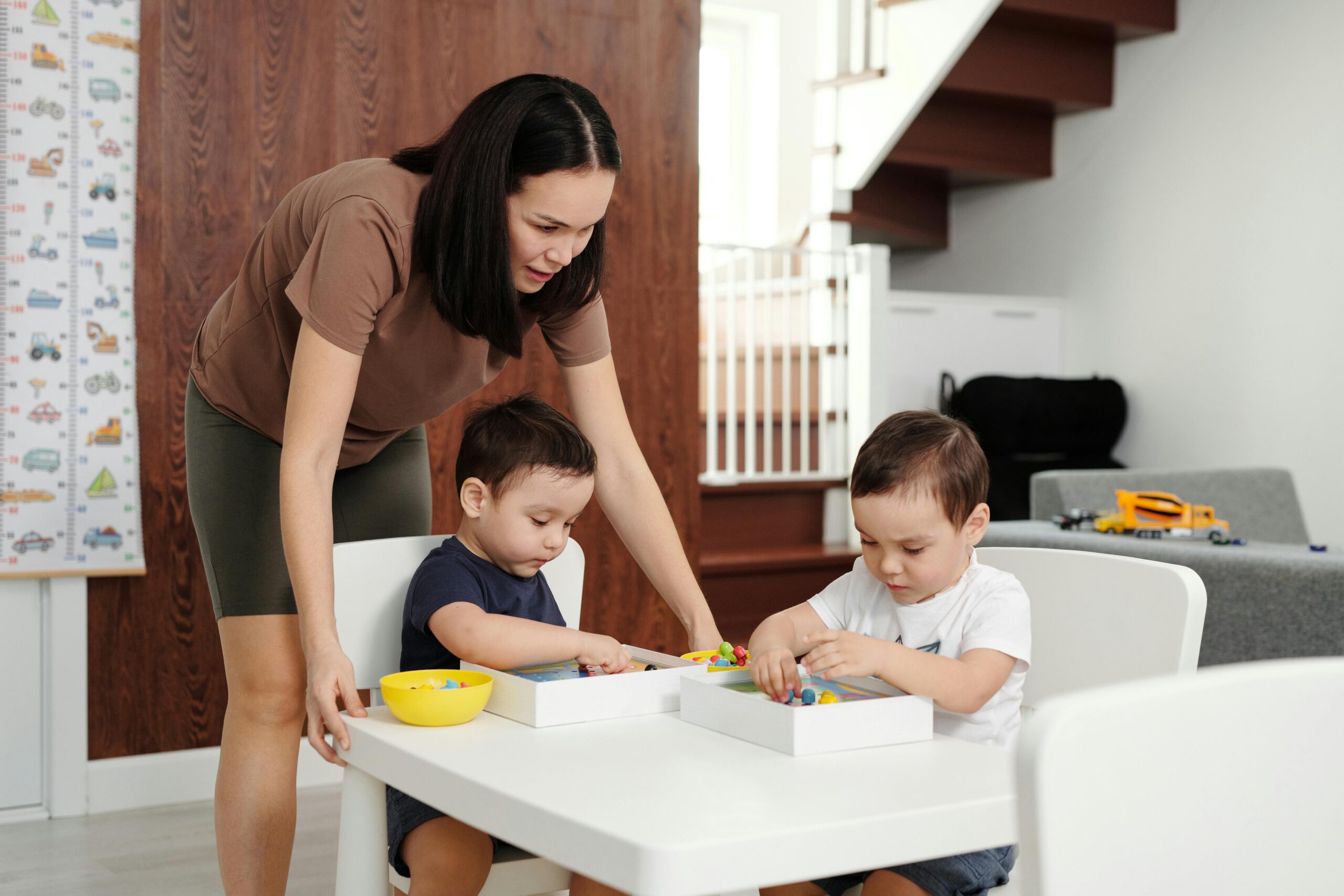
Source: Pexels
Domestic helpers in Singapore are typically hired to assist with household tasks like cleaning, cooking, and basic childcare.
However, the expectation to fully raise children, such as handling discipline, emotional needs, and daily routines, goes beyond the standard scope.
The viral post showed a helper struggling with children fighting while the employer remained detached, glued to their phone.
This suggests a blurred line where helpers are expected to act as surrogate parents.
While helpers can support childcare, raising a child involves emotional bonding and decision-making that parents should primarily handle.
Do Parents Bear Responsibility for Raising Their Children?
Source: Pexels
Absolutely, parents bear significant responsibility for raising their children, even with a helper’s support.
Parenting involves nurturing emotional connections, instilling values, and guiding development—roles that cannot be fully outsourced.
For example, a helper can supervise homework, but only parents can provide the personal encouragement that builds a child’s confidence.
The article’s comments highlight positive examples, like an employer with a disciplined child who sleeps independently due to hands-on parenting.
Neglecting these responsibilities risks distant parent-child relationships and overburdens helpers, leading to burnout.
Is Full Outsourcing of Parenting to Helpers Sustainable?
A setup where parents focus solely on themselves—scrolling through phones or prioritizing entertainment—while delegating all parenting to helpers is not tenable.
Here’s why:
- Helper Burnout: Helpers face emotional and physical exhaustion managing children’s needs without support, as seen in the article’s plea about feeling like a “robot.”
- Child Development: Children need parental involvement for emotional security and healthy growth. A helper’s discipline, like one commenter’s suggestion to “shout” at kids, may not align with a parent’s values.
- Household Tension: Over-reliance on helpers creates resentment, as helpers feel undervalued and parents miss out on meaningful family moments.
- Long-Term Impact: Children may grow distant from parents, affecting family bonds and future relationships.
For instance, one helper described an employer who outsourced child discipline after a single stressful day, leaving the helper to manage alone.
This imbalance strains the household and isn’t sustainable for anyone involved.
How Employers Can Take Action to Balance Parenting Responsibilities
Singaporean employers, especially working women hiring helpers, can foster a healthier dynamic by actively participating in parenting.
Here are actionable steps:
1. Engage Actively with Your Children
Dedicate daily time to connect with your kids, like playing or talking about their day.
For example, spend 20 minutes reading together to share the emotional load with your helper. 😊
This strengthens your bond and reduces the helper’s childcare burden.
2. Define Clear Roles for Helpers
Set boundaries on your helper’s responsibilities, distinguishing between support tasks (e.g., preparing meals) and parenting duties (e.g., discipline).
Discuss expectations upfront, such as prioritizing childcare during school hours but leaving major decisions to you.
3. Model Positive Behavior
Children learn from parents’ actions, so demonstrate the values you want them to adopt.
If your helper is managing tantrums alone, step in to show consistent discipline.
This supports your helper and reinforces your role as a parent.
4. Show Appreciation to Your Helper
Acknowledge your helper’s efforts with regular thanks or small gestures, like a treat on their day off.
This boosts morale and shows you value their support, not their replacement of your role.
5. Prioritize Family Time
Schedule tech-free family time to engage with your kids without distractions.
For example, a weekly family dinner where phones are off can create lasting memories and ease the helper’s load.
How Domestic Helpers Can Navigate Over-Delegation
Helpers can also take steps to manage situations where they’re expected to fully raise children:
1. Communicate Boundaries Respectfully
If parenting demands feel excessive, politely discuss with your employer.
For example, say, “I’m happy to help with the kids, but I’d appreciate your guidance on discipline.”
This opens dialogue without conflict.
2. Focus on Supportive Tasks
Prioritize tasks within your scope, like preparing meals or tidying up, when childcare becomes overwhelming.
Engage kids in activities like drawing to keep them occupied, giving you time to manage chores.
3. Seek Agency Support
If you feel overburdened, contact your employment agency for advice.
Bee Lee Maid Agency can mediate discussions to clarify roles and reduce stress.
4. Practice Self-Care
Use rest days to recharge through hobbies or socializing with friends. 😌
A rested helper is better equipped to handle workplace challenges without resentment.
Cultural Context: Shifting Mindsets in Singapore
In Singapore, where domestic helpers are common in middle-class homes, some employers view helpers as a full on household manager.
This cultural norm can lead to over-delegation of responsiblilities, even that of a parental one.
Shifting toward a partnership mindset, where parents and helpers share responsibilities, creates a healthier home and a healthier child.
Related to Maids: