
For many domestic workers in Singapore, their work here is only a chapter of their lives.
Many come to earn an income higher than what they could ever dream of back at home.
As their contract ends, and they have saved up a pot of gold, have you ever wondered what they will do?
Those who do not continue the path of domestic work, they often dream of returning home to start new careers or businesses.
Non-profits like Development Singapore are playing a pivotal role in this transformation, offering training in entrepreneurship, digital skills, and more.
Maids’ Aspirations Beyond Domestic Work

Source: Pexels
Many maids in Singapore, particularly Indonesian migrant workers, harbour ambitions that extend far beyond their current roles.
And she is not the only one with such ambitions.
These women are part of a growing group of maids who see their time in Singapore as a stepping stone to achieving entrepreneurial or professional goals back home.
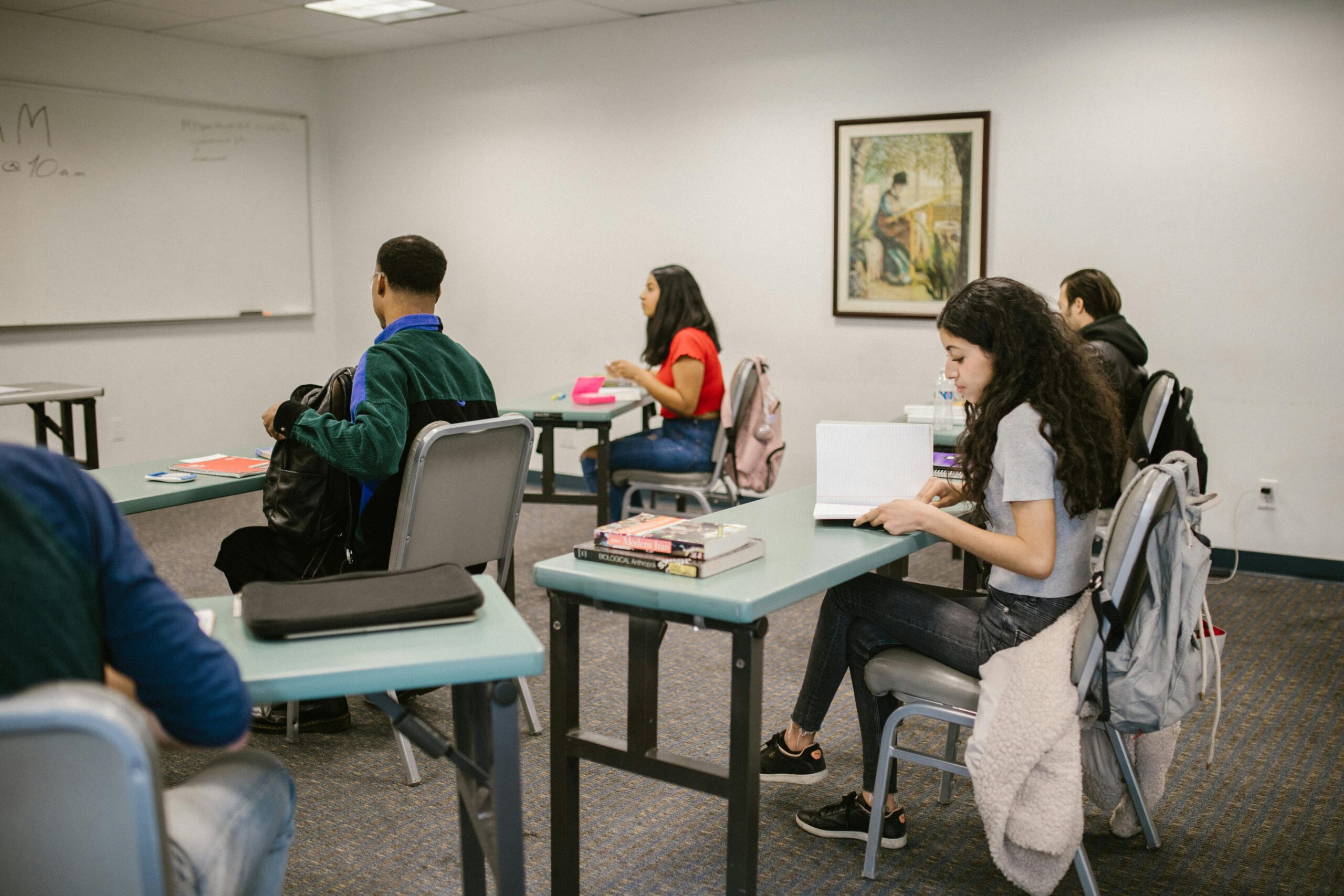
The desire to acquire new skills is strong among these workers, who often dedicate their only day off—Sunday—to attending classes at organisations like Development Singapore. ⏰
From skincare and makeup to digital marketing and business management, these courses are designed to equip maids with the tools they need to succeed after returning home. Employers can play a supportive role by recognizing these aspirations and encouraging their maids’ personal growth.
Supporting Maids’ Aspirations
Source: Pexels
Employers can support their maids’ aspirations by offering flexibility in schedules to accommodate learning opportunities, where possible.
They can also celebrate their maid’s achievements in their training or education.
For instance, acknowledging their maid’s completion of a digital marketing course can go a long way in boosting their confidence.
By encouraging skill development, employers can help maids build fulfilling lives after their contracts end.
Challenges in Transitioning from Maid Roles
Transitioning from domestic work to a new career is not without its challenges.
Many maids face educational barriers, with some arriving in Singapore illiterate. 📚
Others struggle with the emotional toll of being separated from their families, which can make it difficult to focus on long-term goals.
There are many stories of maids who cry for weeks after leaving their babies to come work in Singapore. 😢
Additionally, the demanding nature of domestic work leaves maids with limited time and energy to pursue education.
With only one day off per week, attending classes requires significant dedication.
Financial constraints can also be a hurdle, though organisations like Development Singapore mitigate this by offering free training, supported by volunteers and funding from non-profits. 💸
Addressing Transition Challenges
Employers can address transition challenges by providing emotional support to their maids, being empathetic to their personal circumstances, such as homesickness or family separation.
They can also promote work-life balance, ensuring their maid has adequate rest and time to pursue personal development.
By sharing information about free or accessible training programs like those offered by Development Singapore, employers can help their maids overcome financial constraints.
The Role of Training Programs for Maids
Training programs like those at Development Singapore are transforming the lives of maids by equipping them with practical and marketable skills.
Since its founding in 2007, the organisation has trained around 3,000 Indonesian domestic workers, many of whom have gone on to start businesses, become teachers, or even take on leadership roles like village chief.
Courses cover a wide range of topics, including entrepreneurship, digital marketing, and creative skills like video editing, which empower maids to compete in modern job markets.
The impact of these programs is evident in success stories like Nurul Fatimah, who now runs a motorcycle rental business in Bali, and Sulit Sukesi, who became a village chief in Central Java.
These examples highlight how skill development can lead to economic empowerment and community impact.
For employers, supporting such programs can enhance their maids’ morale and productivity while contributing to a broader social good.
Engaging with Training Programs
Employers can engage with training programs by learning about available programs, researching organisations like Development Singapore to understand the training options available to maids.
They can also encourage participation, motivating their maid to enrol in courses that align with their interests and career goals.
By offering practical support, such as transportation or study materials, employers can help their maid succeed in their training.
Building a Legacy Beyond Maid Work
The skills acquired by maids in Singapore are not just for personal gain—they often have a ripple effect in their home communities.
Many former maids create jobs or inspire others by starting businesses or taking on leadership roles.
Development Singapore’s emphasis on entrepreneurship, for instance, teaches maids to plan financially and dream big, ensuring they return home with “knowledge, ideas, and courage,” as coordinator Sri Redjeki Widjaja puts it.
Creating a Positive Legacy
Employers can contribute to this legacy by fostering an environment that values their maid’s potential.
By treating domestic work as a respected profession and supporting their maids’ ambitions, employers help create a positive narrative for migrant workers.
This approach not only benefits the individual maid but also strengthens ties between Singapore and the workers’ home countries.
As the aspirations of maids in Singapore continue to evolve, it is essential for employers to recognise the importance of supporting their personal growth.
By doing so, they can help create a legacy that extends far beyond the confines of domestic work, empowering maids to build fulfilling lives and contribute to their communities in meaningful ways.
Related to Domestic Helper: