
Everyone owns a phone today. 📱
It is used for everything and anything, bringing constant entertainment and capturing the user’s attention.
Domestic helpers also use it to communicate and see their family members back at home.
When working in a household, the phone can be a very distracting item.
Employers have feedback about maids using their phones while working, leading to poor work performance. 😮💨
The concept of regulating smartphones is a challenge that requires a thoughtful and nuanced approach.
Finding a balance to maintain a healthy working relationship with the maid while need to ensure quality work performance can be tricky.
Such a tough balancing act requires a deeper look for some insights.
Find Balance Between Work and Personal Phone Use
Source: Pexels
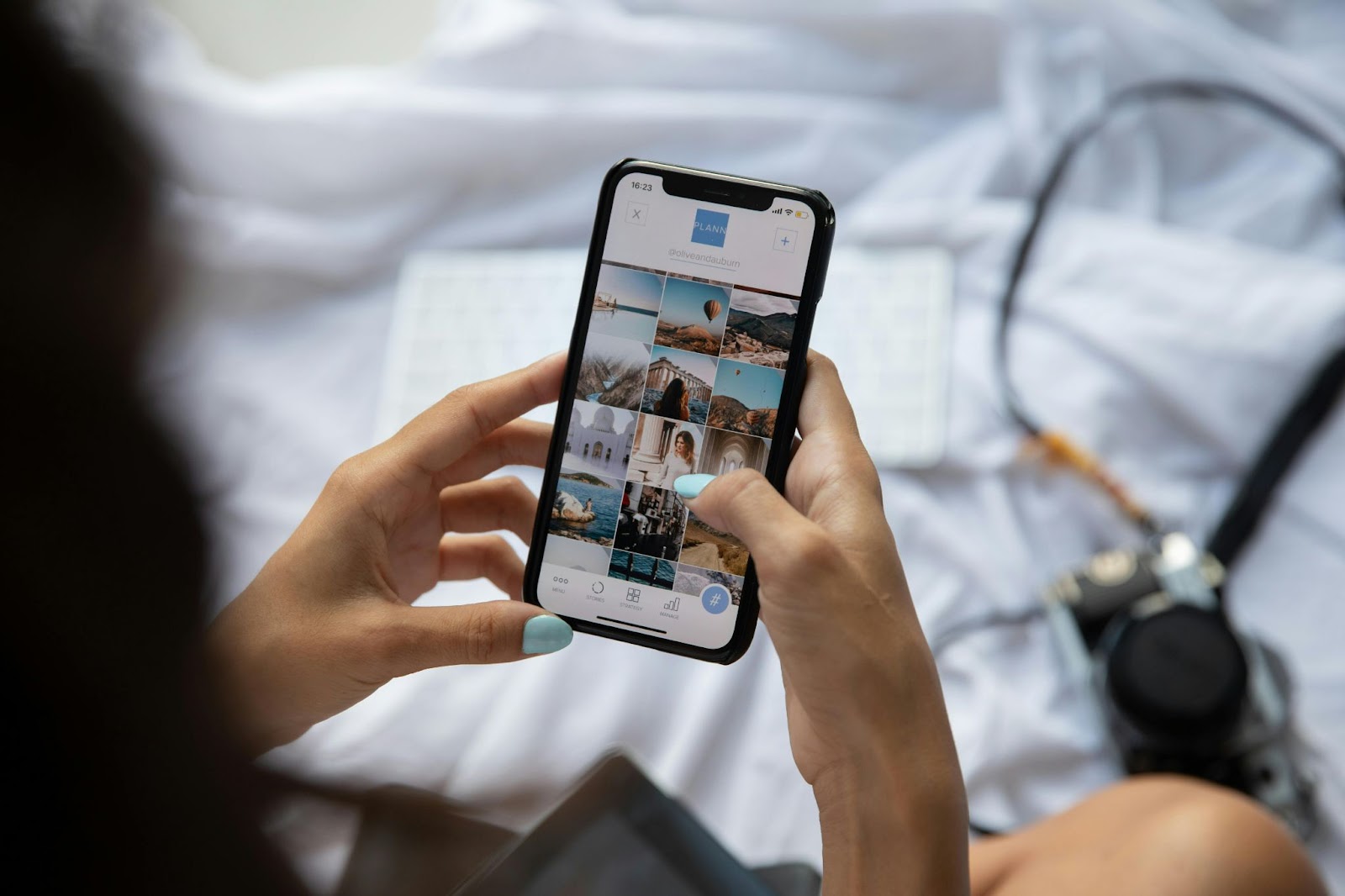
One of the primary concerns for employers is how to ensure that their domestic helper maintains a good balance between their work responsibilities and personal life.
This can be a tricky issue, as it’s essential to respect the helper’s need for personal time and connection with others, while also ensuring that their work performance doesn’t suffer as a result of excessive smartphone use.
By engaging in open and honest communication, employers can work with their helpers to establish clear guidelines and boundaries that meet both parties’ needs.
Establish Clear Phone Usage Times During Work Hours
Source: Pexels
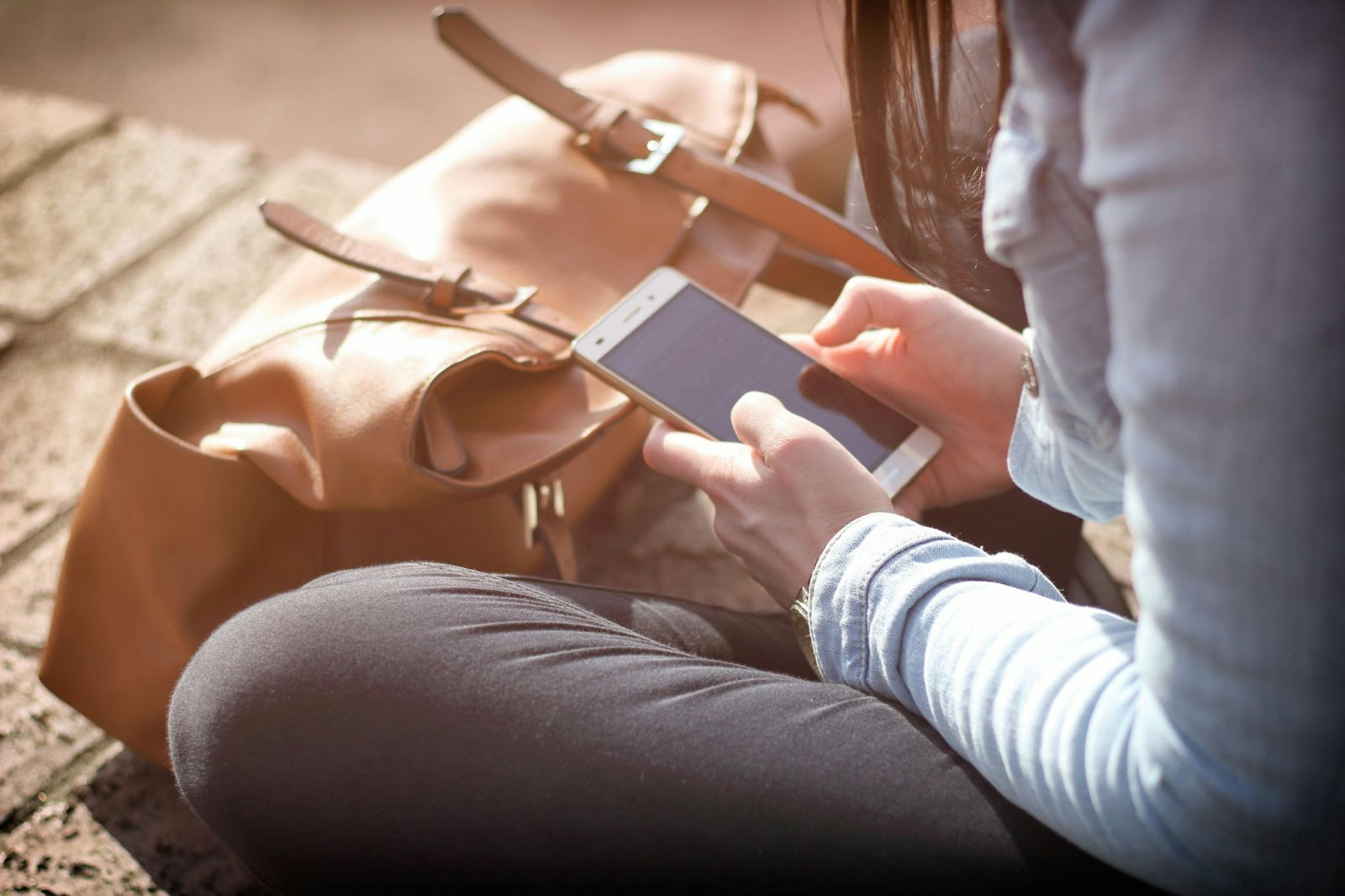
Setting clear usage times is a crucial aspect of managing smartphone use for domestic helpers.
Employers can discuss with their helpers what specific periods when smartphone use for entertainment is acceptable, ensuring that expectations are transparent and reducing the likelihood of misunderstandings.
For example, a helper might be allowed to use their phone during breaks or after completing a set of tasks, providing them with a much-needed respite from their duties.
(💡Note: Do not punish the maid’s work efficiency by giving her more work to do, instead allow her to earn that time gained to use her phone or to rest.)
By establishing clear usage times, employers can also ensure that their helper is focused on their work during designated hours, improving overall productivity and efficiency.
This approach also helps to prevent unnecessary conflicts and promotes a sense of trust and respect between the employer and helper.
Creating a List of Allowed Activities

Source: Pexels
Defining a list of allowed smartphone activities during work hours is another essential aspect of managing smartphone use.
The list can include activities that the employer deems acceptable, such as listening to music, watching educational videos, or making phone calls during breaks.
Employers can consider allowing social media use, but doom scrolling may end up keeping the maid very distracted.
If her tasks do not require constant instruction, allow the helper to put on an earpiece to listen to podcasts, videos, or a music playlist.
By creating this list, employers can establish boundaries while allowing for reasonable enjoyment, making the expectations more transparent and reducing the risk of conflicts.
This approach promotes a sense of responsibility and accountability, as the helper is aware of what is expected of them.
Set Privacy Rules For The Domestic Helper To Follow
Source: Pexels
With smartphones come various privacy issues that need to be addressed.
Employers should establish clear rules regarding the use of smartphones in the home, communicating their comfort level regarding different issues depending on the context of their home.
For example, an employer might be uncomfortable with their helper taking pictures of their family or the interior of their home, and therefore, state it openly.
Some families also make it clear to their helpers that they can only take video calls in dedicated spaces.
This is to maintain the privacy of their family space while giving their helpers their own privacy as well.
Employers Can Be Flexible With The Handphone Usage Rules
While rules are essential, employers must exercise judgment to be flexible on occasion.
There may be situations where the rules need to be adapted or adjusted, such as for emergencies, or when the maid is ahead of time with a particular task.
Or perhaps, the maid wants to listen to music or a podcast while working. ☺️
As long as work performance is not affected, employers can consider allowing some of these phone privileges.
This approach promotes a sense of mutual respect and understanding, as the employer is willing to listen and adapt to the helper’s needs.
The Importance of Open Communication
Building and maintaining a healthy working relationship with a domestic helper relies on open communication, and this issue is no different.
Employers should create an environment where their helper feels comfortable discussing their needs, concerns, and challenges, encouraging them to voice any difficulties or suggestions regarding smartphone usage.
This fosters mutual understanding and respect, as the employer is willing to listen and adapt to the helper’s needs.
Managing smartphone use for domestic helpers requires a thoughtful and nuanced approach.
The approach suggested above acknowledges the importance of respecting the helper’s personal autonomy while ensuring that their work performance meets expectations.
Employers and helpers must work together to build a harmonious and productive working relationship that benefits both parties.
Related to Domestic Helper: