
Every human deserves to have nutritious meals and sufficient rest right? 🤔
I think this concept is universally agreed amongst most Singaporeans.
Sometimes, intentionally or not, a maid’s well-being starts to decline when the employer does not put in the proper effort to take care of their employee.
Taking care of a maid’s well-being is crucial for a harmonious and productive working relationship.
To ensure the maid is healthy, she must have access to adequate and nutritious foods.
Furthermore, they should have sufficient accommodation needs fulfilled to provide ample rest.
Maids Must Consume Sufficient Amounts Of Food
Source: Pexels
When it comes to providing food for domestic helpers, MOM does not set a specific food allowance.
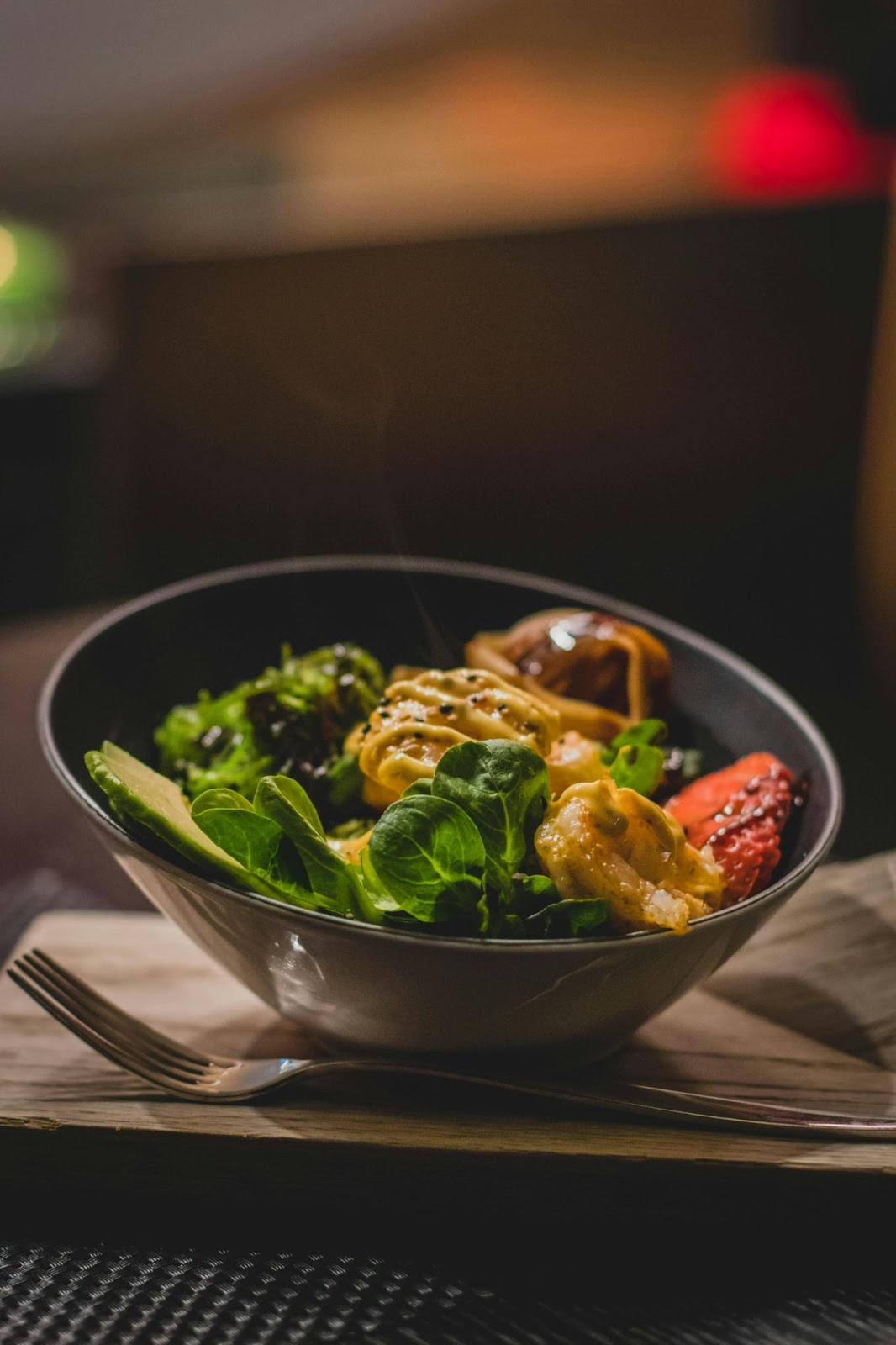
However, the MOM emphasises the importance of providing free and adequate food, consisting of three meals a day.
MOM outlines some basic guidelines for adequate food for a balanced diet covering all macronutrient needs.
Yet, the guidelines are not very useful since every individual and household lifestyle is different.
(💡Note: Often the maid’s dietary needs are a consequence of the individual’s preferences and the employer’s budgetary constraints.)
Employers should avoid restricting their maid’s access to nutritious food or forcing them to eat food they’re uncomfortable with.
This includes not dictating what food they must eat or restricting their ability to prepare their own meals.
Be prepared to provide more food if the helper is engaged in labour-intensive work or has specific dietary requirements
It’s essential to remember that the goal is to provide a healthy and balanced diet that meets the maid’s needs.
Allow Maid To Prepare Her Own Meals If She Wants To
Source: Pexels
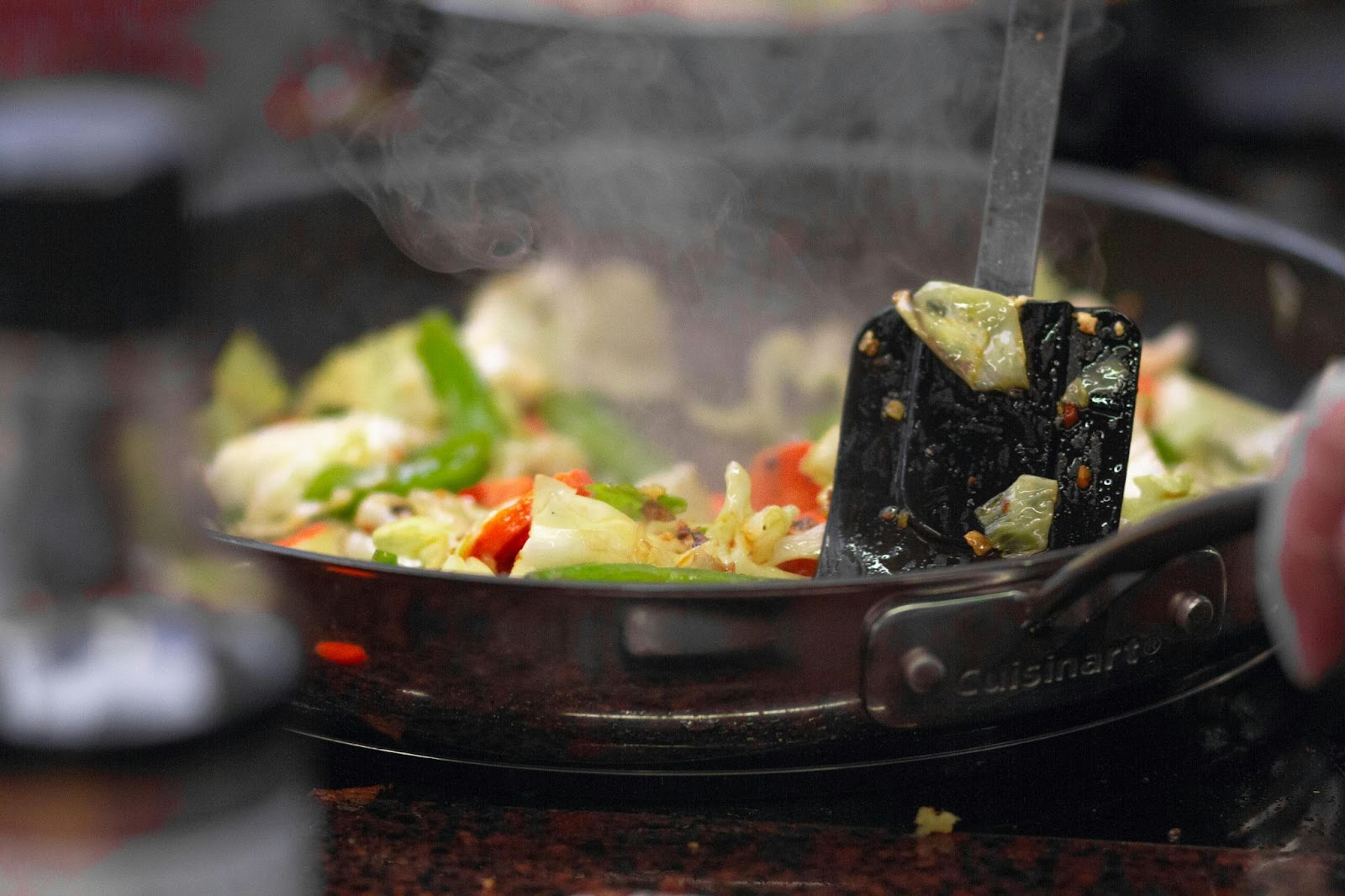
Maids should be allowed to make their own dishes with fresh produce if they desire.
Employers can allocate a budget for them to prepare their own dishes.
(💡Note: Common practice is to eat the leftovers of the meal they prepare for the household.)
This is because the maid may not be comfortable eating the type of dishes that her employer eats.
It’s also important to check in with your domestic helper regularly to ensure they’re satisfied with their diet and accommodate their needs as much as possible, within reason.
If the maid is requesting very expensive and high-quality ingredients outside of the usual budget of the employer, then such a request can be rejected.
Instead try to find a solution together with the maid, such that she can eat the meals that she wants.
Employers must understand that foreign domestic helpers may have different food cultures when growing up and it is natural that they may not be used to the common dishes that Singaporean households enjoy.
Abuses On Maids’ Diet Can Be Easily Observed During Medical Examinations

Source: Pexels
While food shortage is a minority issue in Singapore, with over 99% of MDWs surveyed expressing satisfaction with the sufficiency of food provided, it’s still crucial to prioritise their nutritional needs.
Employers should not adopt a mindset that as long as the maid doesn’t starve, it’s good enough.
During the 6-month medical check-up, if there is a trend of weight loss or visible physical decline, authorities may investigate and probe into the root cause.
If found responsible, employers will be given a chance to rectify the situation but will face further punishment if the matter is not resolved.
In most cases, employers will claim that the maid did not raise up the issue about food.
But from our experience, this is usually a case of fear and distrust, likely due to snarky comments and miscommunications in everyday life.
(Note: Maids may be afraid to open up about food issues due to fear of scolding or verbal abuse, so employers must try to foster a culture of open communication)
Rest And Accommodation Is Vital To Maid’s Well-Being
Source: Pexels
The Singapore government also provides guidelines for employers on what they should provide their helper in terms of living space.
This includes adequate shelter, basic amenities, sufficient ventilation, safety, modesty, and space and privacy.
Employers must ensure that the accommodation protects the FDW from environmental elements, provides necessities like a mattress, pillow, and bathroom amenities, and is sufficiently ventilated.
Additionally, employers must ensure that the FDW’s accommodation meets standards of modesty, with separate sleeping quarters and no installation of video recording devices that compromise their privacy.
How To Resolve Maid’s Wasteful Behaviour
Employers may be sceptical when providing food and accommodation for their domestic helpers.
The maids can be perceived as consuming a lot of food, putting unnecessary financial pressure on food resources in the household.
For example, the maid is eating more than the employer or adding to the gas bill when they prepare a separate meal for themselves.
In such cases, a resolution is very subjective.
On one hand, the employer could be very stingy with their resources, yet, it could be true that the maid is being very wasteful with resources.
Employers can overcome this by discussing dietary needs with their maids and finding affordable solutions that meet their requirements.
Setting a budget per meal ($5 to $10), and setting clear boundaries of what she is allowed to use in the kitchen will be a good start.
(Note: Employers can be more gracious on this front and allow the maid to cook her own meals using the stove and seasonings. Such generosity goes a long way for the relationship.)
Ensuring a Healthy And Happy Working Relationship
Taking care of your maid’s well-being is crucial for a harmonious and productive working relationship.
By providing adequate food and accommodation, employers can ensure their maid is happy, healthy, and motivated to work.
This, in turn, can lead to increased job satisfaction and a better quality of life for both the employer and the maid.
Remember, taking care of your maid’s well-being is not just a moral obligation, but also a legal requirement.
By following the guidelines outlined by the MOM, employers can create a positive and respectful working environment that benefits everyone involved.
Related to Maid’s Well-Being: