

The rise of artificial intelligence and robotics has significantly increased in recent years.
Automation of physical tasks will soon become a reality.
Specialised robots are emerging to tackle specific household tasks, and AI is already making significant inroads into the domestic sphere.
Such tasks include housekeeping and chore work, which consists of a bulk of a maid’s job.
Foreign domestic workers play an important role in Singaporean society, and such a disruption can drastically reshape the social fabric.
When the robots come, what will happen to domestic helpers and the maid industry? 🤔
Robots Can Clean The Floors Effectively
Source: Pexels
Specialised robots are emerging to tackle specific household tasks, and AI is already making significant inroads into the domestic sphere.
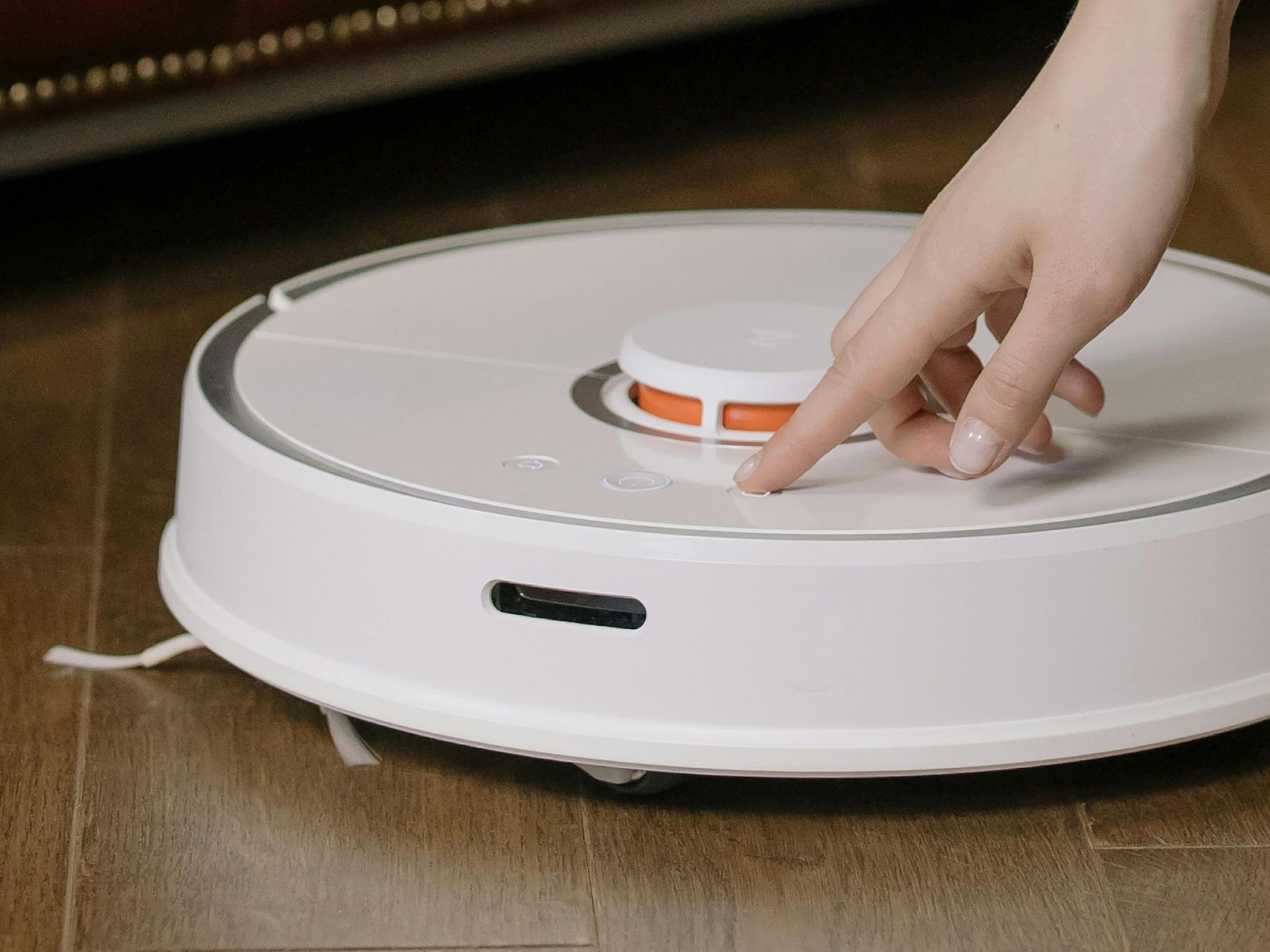
Robotic vacuum cleaners and mops are already commonplace in many Singaporean homes, automating floor cleaning with increasing efficiency.
Advanced models equipped with AI can map rooms, avoid obstacles, and even empty their dustbins, minimising human intervention.
Laundry And Kitchen Robots Are Being Developed
Laundry robots are also on the horizon, with prototypes being developed to fold clothes, sort laundry, and even iron garments.
While not yet commercially viable, these robots could significantly reduce the time spent on laundry chores. 👍
In the kitchen, AI-powered assistants are beginning to make their presence felt.
These culinary robots can follow recipes, chop vegetables, and stir ingredients, taking some of the burden off human cooks.
The most time-consuming element of cooking is meal preparation and the robot assistance can free up a lot of time, such that even working parents can return home and cook themselves.
The Robots May Even Do More Than What A Human Maid Can Do
As robots are integrated with AI software, they may even have added capabilities like giving weather and news updates.
The robots may also be stronger than an average maid, thus helping with heavy lifting.
Furthermore, robots will never fall sick and do not need off days, so they can become 24/7 help in the household.
Such qualities are certainly attractive for many households.
With The Future Of Robots Impending, Maids Must Adapt To New Skills
The rise of AI in domestic work raises concerns about the future of domestic workers in Singapore.
While complete replacement may not be imminent, the following implications are likely.
A shift in demand towards specialised skills, such as caregiving, which require human empathy and emotional intelligence, skills that are difficult to replicate in robots.
Employers might specifically look for domestic workers with experience in child development and education, nutrition and specialised cooking, and home management with AI integration.
Domestic workers may need to acquire new skills to operate and maintain AI-powered home devices or to provide complementary services alongside robots.
Key areas for upskilling include basic digital literacy, technical troubleshooting, data privacy and security, and interpersonal communication and emotional intelligence.
The Limitations Of Robot Maids In Creativity And Compassion
However, there are numerous grounds on which robots will surely not usurp the position of the human maid anytime soon.
The biggest challenge that robots face is expressing creativity, compassion, and adaptability.
Robots definitely excel at repetitive jobs such as floor sweeping or scrubbing, but falter when it comes to challenging tasks like those involving human flexibility, decision-making, and adaptability.
Novel problems that require creative solutions may be out of reach of AI predictive models.
While AI is being developed to fix that, most models will not be fully functional in the near future.
Maid roles that involve emotions, such as that of care or even the human interaction between a maid and a child will be lacking in child-robot interactions.
The Role of Maid Service Amidst the Arrival of Robots
A hybrid model will emerge, where robots will take routine chores and leave the remaining routine tasks to human maids, such as deep cleaning jobs and organising.
The integration of AI into domestic work is likely to be a gradual process, with robots and humans working together to manage households. The future may involve a collaborative approach, where robots handle repetitive and mundane tasks, freeing up domestic workers to focus on more complex and interpersonal aspects of caregiving.
In this way, maids do not become obsolete and the requirement for domestic labour in a household, especially those with more complex needs, can be reduced.
Related to Robots: