
As we navigate the complexities of modern life, it’s easy to overlook the people who make our daily routines possible – our domestic helpers.
Behind the scenes, they work tirelessly to keep our homes clean, our children fed, and our lives organized.
But often, they face mistreatment and abuse by a small subset of irresponsible individuals.
Employers play a vital role in ensuring their domestic helpers feel safe and valued.
By taking a few simple steps, you can prevent abuse and foster a supportive workplace where your helper feels respected and empowered.
Creating a Safe and Respectful Environment for Domestic Helpers

Source: Pexels
A transparent work environment reduces the risk of inappropriate behavior or conflicts.
Consider providing a written employment agreement and review it together to ensure clarity.
This not only protects your helper but also you, as an employer, from potential disputes or penalties.
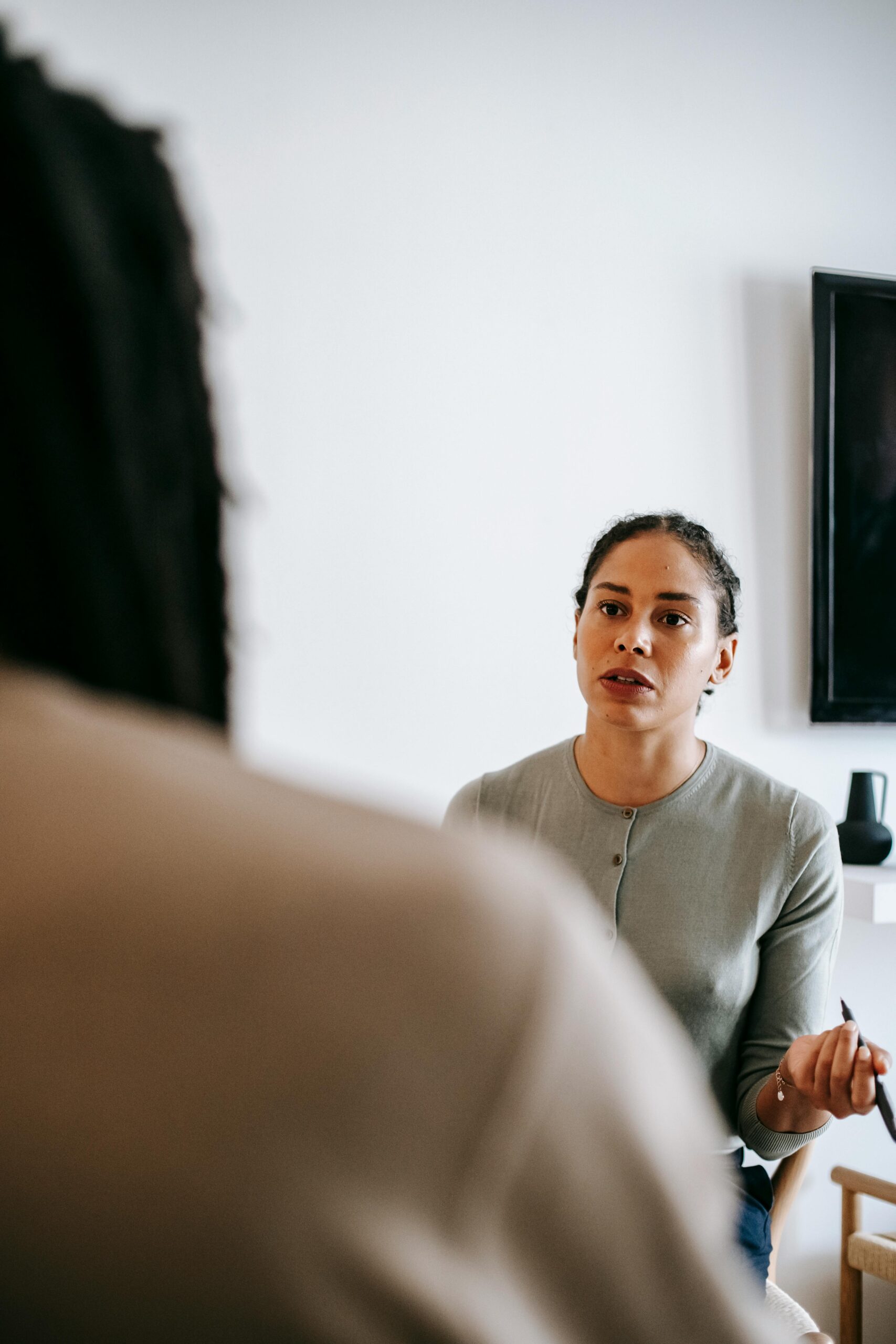
By fostering open communication, you can encourage your helper to voice concerns or report inappropriate behavior without fear of retaliation.
The Importance of Open Communication in Preventing Abuse
Source: Pexels
Create a safe space for regular check-ins to discuss your helper’s well-being and any issues they may be facing.
Assure them that their safety and dignity are priorities, and provide contact details for trusted family members or agencies they can reach out to.
This not only helps build trust but also empowers your helper to take action if they feel unsafe or experience inappropriate behavior.
Knowing Your Legal Responsibilities as an Employer

Source: Pexels
As an employer, it’s essential to familiarize yourself with Singapore’s laws protecting domestic helpers, such as the Employment of Foreign Manpower Act, which mandates fair treatment and prohibits abuse.
Ensure your helper’s work permit conditions, medical insurance, and rest days are adhered to.
Visit the Ministry of Manpower (MOM) website for guidelines on employer responsibilities.
Intervening Promptly in Conflicts
If tensions arise in the household, address them immediately to prevent escalation.
Bring all parties around the dining table and raise the issue. (💡Do not avoid the uncomfortable conversations!)
Should there be suspected inappropriate behavior by any household member, investigate discreetly and take corrective action, such as mediation or reporting to authorities.
Consider contacting the maid agency for advice to navigate such complex situations.
Supporting Access to Resources for Domestic Helpers
Provide your helper with information on support organizations like the Centre for Domestic Employees (CDE) or the Humanitarian Organisation for Migration Economics (HOME).
Ensure they know how to contact MOM (1800-339-5505) or the police (999) in emergencies.
Share a printed list of helplines and keep it in an accessible place, like the kitchen.
Empowering Domestic Helpers to Protect Themselves
Domestic helpers can take proactive steps to safeguard their safety and well-being.
By understanding their rights under Singapore law, including fair treatment, rest days, and protection from abuse, they can recognize and report violations.
Familiarize yourself with your employment contract and MOM guidelines, and visit MOM’s website or attend CDE workshops for free resources on your rights.
Documenting Incidents of Abuse
Keep a record of any inappropriate behavior, including dates, times, and details of what occurred.
If possible, save messages, photos, or other evidence discreetly and safely.
Store records in a secure place, like a password-protected phone app or with a trusted friend.
Seeking Help Promptly
If you feel unsafe or experience inappropriate behavior, report it to a trusted person, such as your employer’s spouse, a friend, or your agency.
Contact MOM, CDE (1800-225-5233), or HOME (1800-797-7977) for confidential support.
Memorize or save emergency numbers in your phone for quick access.
Staying Calm and Avoiding Escalation
If confronted by an aggressive employer or household member, remain calm and avoid arguments that could escalate.
Seek safety by leaving the situation if possible and contacting authorities.
Practice phrases like, “I will discuss this later,” to de-escalate tense situations.
Building a Support Network
Connect with other domestic helpers, community groups, or religious organizations for emotional support.
Share experiences and advice with peers to stay informed and empowered.
Join free activities like those offered by HelpHer Do Better (yoga, workshops) to connect with others.
A Shared Responsibility for Preventing Abuse
The recent assault case in Singapore is a stark reminder that domestic helpers deserve respect, safety, and dignity in their workplaces.
Employers must foster a professional and supportive environment, while helpers should be empowered with knowledge and resources to protect themselves.
By working together – through clear communication, legal awareness, and proactive measures – both parties can prevent incidents like the one reported and create a harmonious, safe household.
The Role of Family Members in Preventing Abuse

Source: Pexels
Speak up immediately if you witness or suspect abusive behavior, and document incidents for future reference.
Support the helper emotionally, and educate other family members on the importance of respecting their dignity.
If necessary, escalate the situation to involve the employer or external authorities like MOM or the police.
Let’s make every home a safe haven for our domestic helpers.
By working together, we can create a culture of respect, empathy, and support that empowers everyone involved.
Related to Domestic Helpers: